
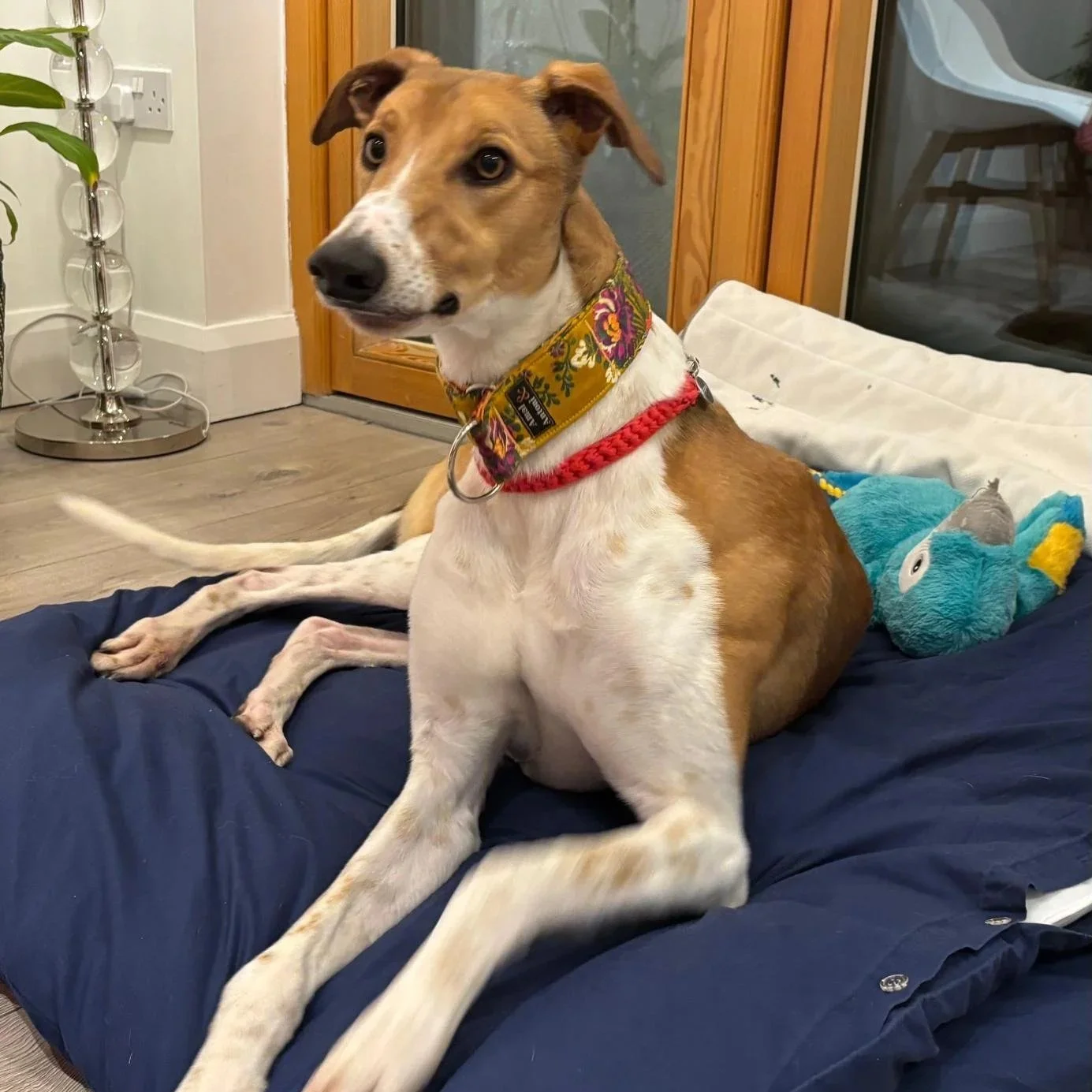
If you have never lived with a greyhound, you might think you already know what dog ownership looks like. You walk them, feed them, train them and love them. Simple enough. But greyhounds have a quiet way of rewriting everything you thought you knew about sharing your home with a dog. They are not better than other dogs. They are just wonderfully, gloriously different.
Here is what sets them apart.
They Are Built for Bursts, Not Marathons
Most people assume greyhounds need hours of exercise every day. They are the fastest dog breed in the world, capable of reaching speeds of up to 70 kilometres per hour, so surely they must need endless running to stay happy?
Not quite. Greyhounds are sprinters by nature, not endurance athletes. They are built for short, explosive bursts of speed followed by long, luxurious stretches of absolutely nothing. In practice, that means two short walks a day and the occasional zoomie around the garden. Then it is straight back to the sofa.
For busy households or people who do not have the time or inclination for hours of daily exercise, greyhounds are a revelation. They are, without question, one of the most low-maintenance dogs you will ever own in terms of physical exercise needs.
Their Temperament Is Unlike Anything You Expect
Greyhound temperament is one of the things that surprises new owners most. These are calm, gentle and quietly affectionate dogs. They do not tend to bounce off the walls, demand constant attention or fill the house with noise. They are more likely to follow you from room to room with a dignified air and then arrange themselves elegantly across the nearest soft surface.
Most greyhounds are sensitive souls. They read the room well, pick up on their owner's emotions and respond to calm, consistent handling. They are not typically pushy or demanding. What they are is loyal, gentle and quietly devoted to the people they love.
That sensitivity is also worth understanding. Greyhounds can be more affected by stress, change and loud environments than some other breeds. They benefit from a settled routine, a safe space to retreat to and an owner who takes the time to understand how they communicate.
Greyhound Behaviour Has Its Own Language
Owning a greyhound Ireland means learning a whole new vocabulary of dog behaviour. Greyhounds communicate differently to many other breeds and understanding that is part of the joy of living with them.
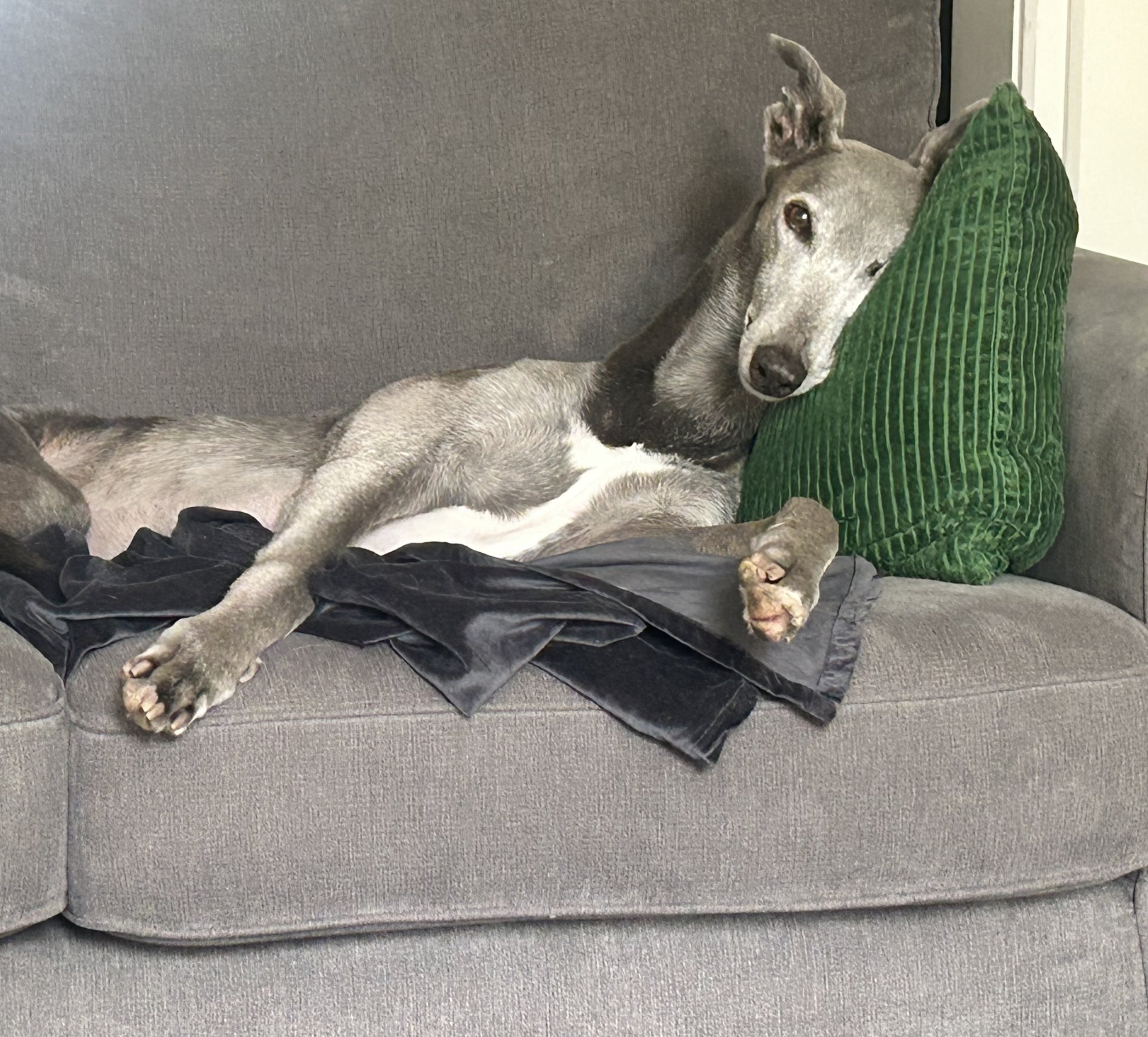
They are not always obvious about their feelings. Where another dog might bark or jump to show excitement or anxiety, a greyhound might freeze, look away, do a full-body shake or let out a long dramatic sigh. The famous 'greyhound lean', where they press their entire body weight against your legs, is one of their most endearing ways of saying they feel safe and happy.
Then there is the roach. If you have never seen a greyhound roaching, you are in for a treat. It involves lying on their back with all four legs in the air at wildly improbable angles. It looks deeply uncomfortable. They find it deeply relaxing. Once your greyhound starts roaching in your home, you know they have truly settled.
They Have a Unique Physical Make-Up
Greyhounds are not just behaviourally different. Their bodies are genuinely unique among dog breeds and that has practical implications for how you care for them.
Here is what makes them physically distinctive:
Thin skin: Greyhounds have very little body fat and thin skin, which makes them more prone to cuts, scrapes and pressure sores. Soft bedding is not a luxury for a greyhound. It is a genuine health need.
Low body fat: Their lean build means they feel the cold more than most breeds. A coat for winter walks is not just a fashion statement. It is a practical necessity.
Unique bloodwork: Greyhound blood results can look alarming to vets who are not familiar with the breed. Their normal ranges for certain values differ significantly from other dogs, so a greyhound-savvy vet is always recommended.
Anaesthesia sensitivity: Greyhounds metabolise certain drugs differently due to their low body fat and liver enzyme levels. This is especially important when it comes to anaesthesia. Always flag that your dog is a greyhound before any procedure.
Deep chest: Like several large breeds, greyhounds can be prone to bloat, a serious and potentially life-threatening condition. Knowing the signs and acting quickly can make all the difference.
None of this should put you off. It simply means that owning a greyhound comes with a little extra knowledge that pays off enormously in the long run.
They Are Surprisingly Easy to Live With
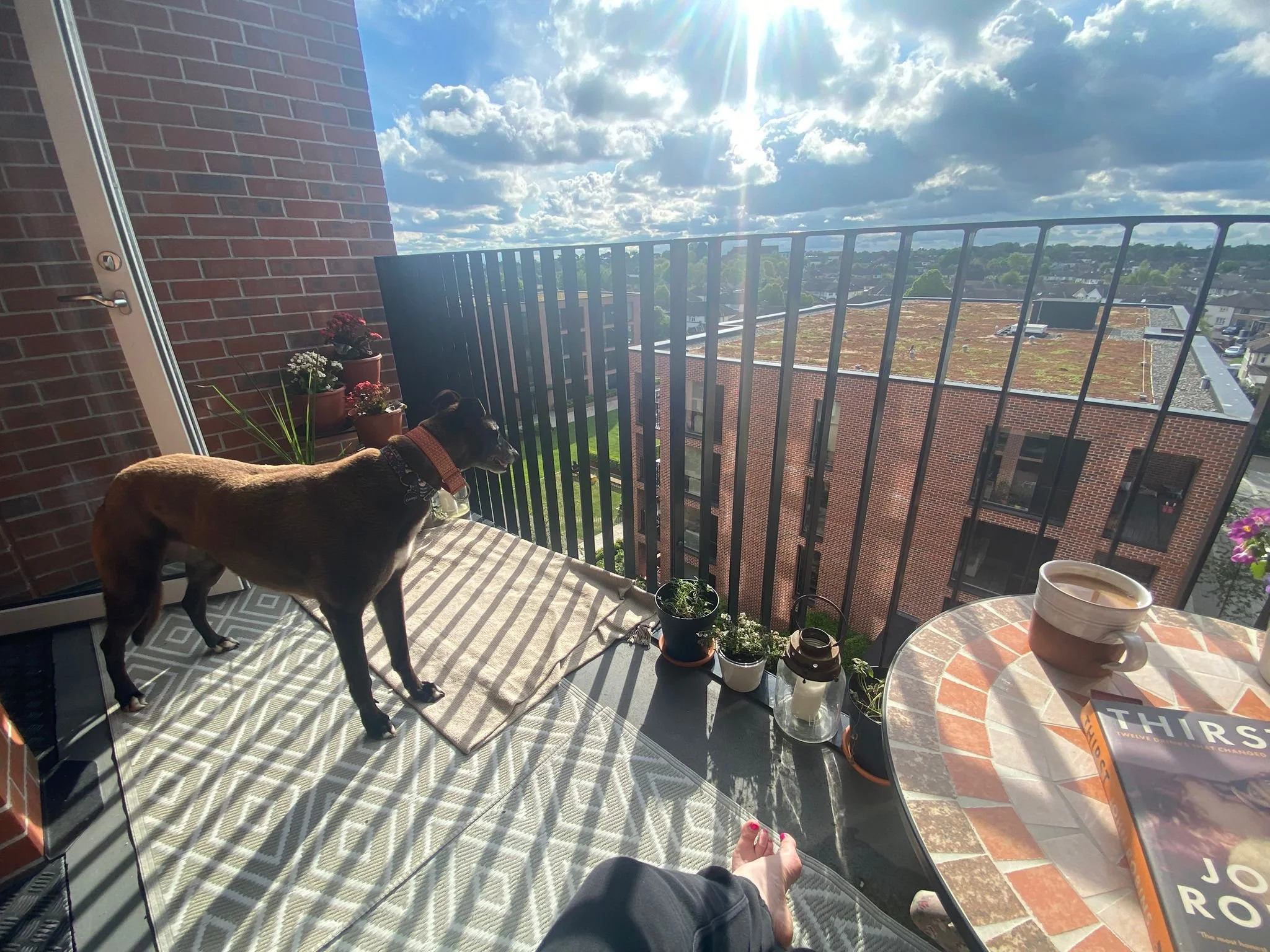
For all their physical quirks and emotional sensitivity, greyhounds are wonderfully straightforward housemates in many ways. They are not known for destructive behaviour. They do not tend to chew furniture, dig up gardens or bark at every passing shadow. Most are clean, quiet and remarkably easy to toilet train.
They also tend to be polite around people. Greyhounds are not typically jumpy or boisterous with visitors. They are more likely to approach a new person with cautious curiosity, have a good sniff and then wander off to resume their nap. Some take longer than others to warm up, but most come around with patience and kindness.
Their grooming needs are minimal too. That short, silky coat needs little more than a quick brush and the occasional bath. No complicated grooming appointments. No hours of detangling. Just a beautifully low-maintenance coat on a beautifully low-maintenance dog.
What Greyhounds Need That Other Dogs Might Not
Greyhound behaviour and needs are specific in a few important ways that are worth understanding before you bring one home.
A muzzle for off-lead time: Even the most gentle greyhound can have a strong prey drive. A muzzle and a fully enclosed space are essential for safe off-lead exercise.
A properly fitted collar: Greyhounds have narrow heads and wide necks, which means standard collars can slip off easily. A martingale or greyhound-specific collar is essential for safe walking.
Soft and plentiful bedding: Their lean bodies need cushioning. A good quality orthopaedic or memory foam bed makes a real difference, especially as they age.
A greyhound-aware vet: Not every vet is familiar with the breed's specific needs. Finding one who is, or who is willing to learn, is one of the best things you can do for your hound.
Time to decompress: Many greyhounds, particularly those new to home life, need time and space to adjust. Patience in the early weeks pays dividends for years to come.
Why Greyhounds as Pets Are So Addictive
Ask anyone who has ever shared their home with a greyhound and you will hear the same thing. One is never enough. There is something about their combination of elegance and goofiness, sensitivity and resilience, independence and devotion that gets completely under your skin.
They are not for everyone. If you want a dog who fetches endlessly, performs tricks on command or greets every visitor with unbridled enthusiasm, a greyhound might leave you puzzled. But if you want a calm, soulful companion who will curl up beside you at the end of a long day and make you feel like the most important person in the world, a greyhound will exceed every expectation you ever had.
Ready to Find Out for Yourself?
If this post has sparked something in you, the next step is simple. Meet the RIGHT hounds currently looking for homes. Every one of them has already lived in a foster home, so you will know exactly who they are before you commit.
Not ready to adopt just yet? You might consider fostering first. It is a brilliant way to experience life with a greyhound before making it permanent.
Once you have had a greyhound in your life, you will wonder how you ever managed without one.
